
Ketamine has emerged as a promising option for people dealing with chronic nerve pain that does not respond to traditional treatments. Originally developed as an anesthetic, it is now used in controlled medical settings to help reset pain pathways in the brain.
While many patients experience relief, it is equally important to understand the risks involved. Ketamine for nerve pain side effects can range from mild and temporary to more complex concerns that require careful monitoring.
Knowing what to expect allows patients to make informed decisions and work closely with their healthcare providers throughout treatment. Let's look at what to know about ketamine for nerve pain side effects.
How Ketamine Works for Nerve Pain
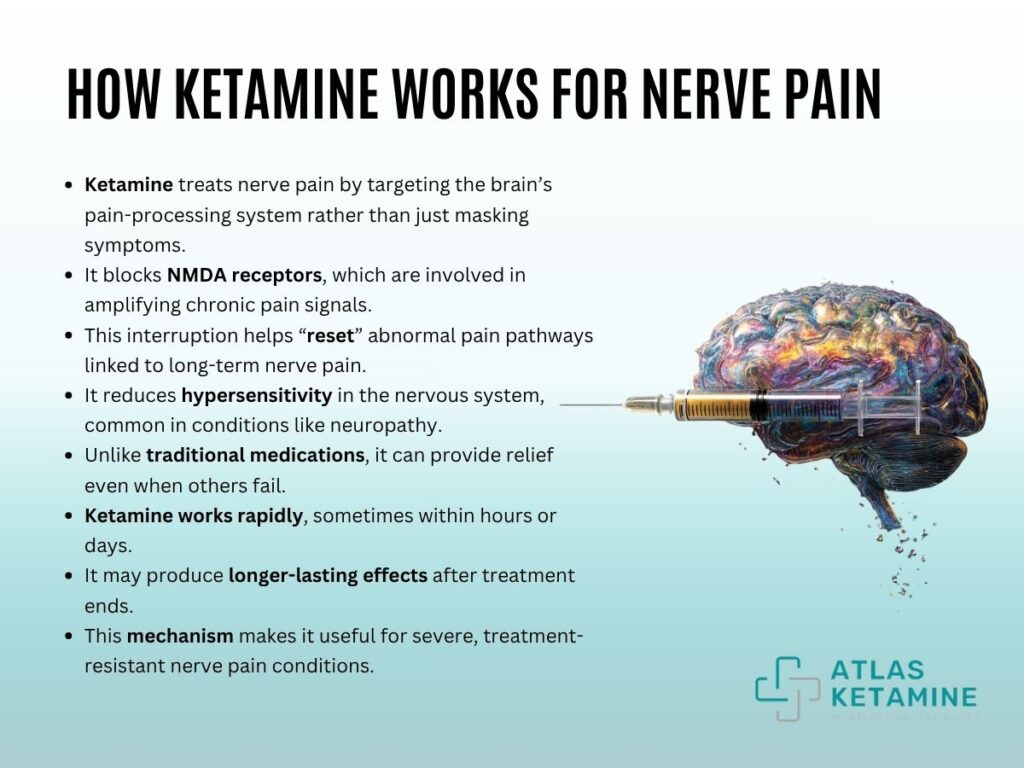
Ketamine works differently from most conventional pain medications. Instead of simply dulling pain signals, it targets the nervous system at a deeper level by blocking NMDA receptors in the brain.
These receptors play a key role in how pain is processed and amplified over time, especially in chronic conditions. By interrupting these pathways, ketamine can reduce the intensity of nerve-related pain and, in some cases, provide longer-lasting relief than standard medications.
This mechanism is why it has gained attention for treating conditions such as complex regional pain syndrome, neuropathy, and fibromyalgia. A 2022 Cleveland Clinic review noted that ketamine infusions are increasingly used when other therapies fail to provide adequate relief.
Why Doctors Prescribe Ketamine for Chronic Pain
Doctors typically consider ketamine after first-line treatments like anticonvulsants or antidepressants have not worked. Chronic nerve pain can be difficult to manage, and patients often cycle through multiple medications before finding relief.
Ketamine offers an alternative for those who have exhausted more traditional options. Another reason for its growing use is its rapid onset.
Unlike many medications that take weeks to build effectiveness, ketamine can begin working within hours or days. This fast-acting nature makes it especially valuable for patients experiencing severe, persistent nerve pain that disrupts daily life.
Common Ketamine for Nerve Pain Side Effects
While ketamine can provide meaningful pain relief, side effects are a common part of the experience. Most are temporary and occur during or shortly after treatment, especially when administered through intravenous infusion.
Patients often describe these effects as unusual but manageable, particularly when they are prepared in advance. Medical supervision plays a key role in ensuring safety and comfort during the process.
Short-Term Physical Side Effects
The most frequently reported physical side effects are relatively mild and tend to resolve quickly after treatment ends. These include dizziness, nausea, and a feeling of drowsiness or fatigue.
Some patients also experience elevated blood pressure or a slight increase in heart rate during the infusion. Blurred vision and headaches may occur as well, though these are typically short-lived.
Most short-term side effects occur during or shortly after infusion and typically resolve within hours.
Psychological Effects During Treatment
Ketamine is known for its impact on perception and awareness. Many patients experience a sense of dissociation, where they feel detached from their surroundings or body. While this can sound concerning, it is often expected and carefully monitored in a clinical setting.
Other psychological effects may include vivid dreams, hallucinations, or a temporary sense of confusion. Some individuals report feelings of anxiety or restlessness during the session, especially if they are unfamiliar with the experience. Providers often adjust dosing or provide calming support to reduce discomfort.
Less Common but Serious Risks
Although most side effects are mild, there are more serious risks that patients should be aware of, particularly with repeated or long-term use. These risks highlight why ketamine therapy should always be administered under medical supervision.
Cardiovascular Concerns
Ketamine can affect the cardiovascular system by increasing blood pressure and heart rate. For healthy individuals, these changes are usually temporary and manageable. However, patients with underlying heart conditions may face higher risks.
Healthcare providers typically screen for cardiovascular issues before starting treatment. Monitoring during infusions ensures that any changes are detected and addressed quickly.
Bladder and Urinary Issues
Long-term or frequent ketamine use has been associated with bladder problems, sometimes referred to as ketamine-induced cystitis. This condition can cause symptoms such as frequent urination, discomfort, and inflammation of the bladder lining.
Although this side effect is more commonly linked to recreational misuse, it is still considered in medical settings, especially for patients undergoing multiple treatments over time.
Cognitive and Memory Effects
Some patients report difficulties with memory or concentration after repeated ketamine sessions. These effects are typically mild but can become more noticeable with prolonged use.
Serious side effects are rare but more likely with frequent or unsupervised use. This is why treatment plans are carefully structured and regularly reviewed by healthcare providers.
Long-Term Effects of Repeated Ketamine Use
As ketamine therapy continues over time, patients and providers begin to look beyond immediate relief and focus on long-term safety. While short-term use is generally well tolerated in clinical settings, repeated treatments may introduce new considerations that require ongoing evaluation.
The goal is to maintain effectiveness while minimizing potential risks. This is why most treatment plans include regular reassessments and adjustments based on patient response.
Key Long-Term Considerations
- Tolerance development
Some patients may notice reduced effectiveness over time, requiring dosage or schedule changes - Cognitive changes
Mild issues such as memory lapses or difficulty concentrating may appear with repeated use - Bladder health concerns
Long-term exposure has been linked to irritation or urinary symptoms in some cases - Frequency of treatment
More frequent sessions may increase the likelihood of side effects
A 2020 review in Frontiers in Pharmacology highlighted that long-term outcomes are still being studied, especially in structured medical use.
Long-term effects vary by patient, making individualized treatment plans essential for maintaining both safety and effectiveness.
Who Should Avoid Ketamine Therapy
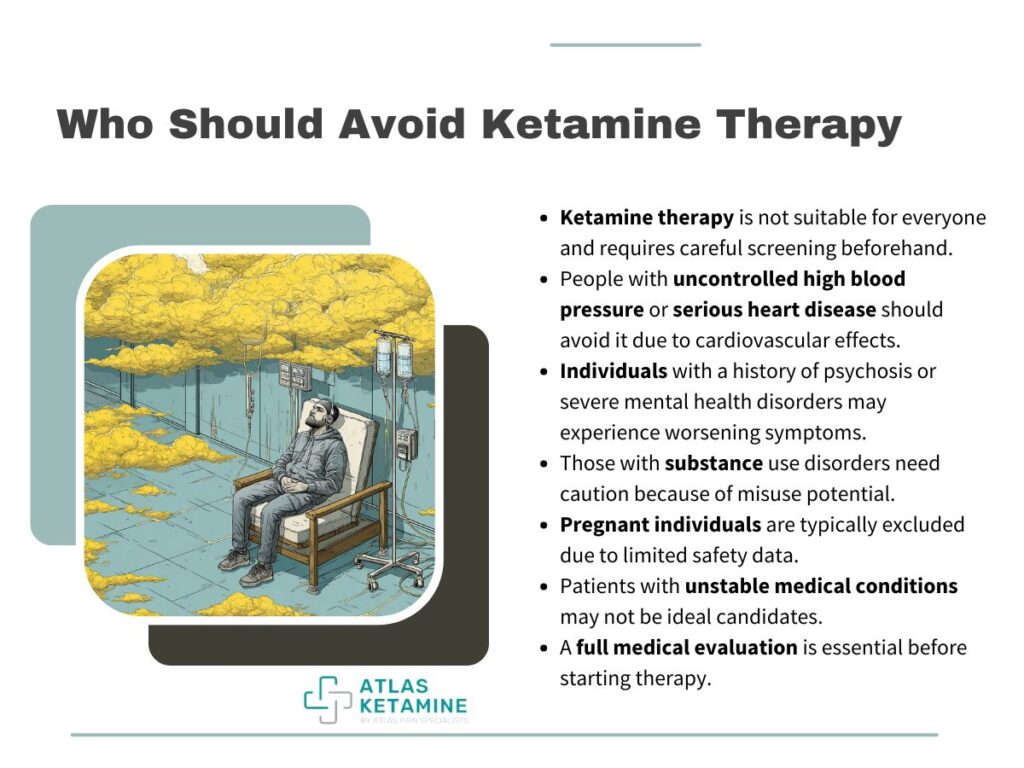
Ketamine is not suitable for everyone, and certain individuals may face higher risks depending on their medical history. A thorough evaluation is essential before beginning treatment.
High-Risk Groups
Patients with uncontrolled high blood pressure or significant heart disease are generally advised to avoid ketamine therapy. The same applies to individuals with a history of psychosis or severe mental health conditions, as ketamine can intensify certain psychological symptoms.
Those with a history of substance use disorders may also require careful consideration, given ketamine’s potential for misuse outside clinical settings. Pregnant individuals are typically excluded from treatment due to limited safety data.
Importance of Medical Screening
Before starting ketamine therapy, patients usually undergo a detailed screening process. This includes reviewing medical history, current medications, and overall health status.
During treatment, vital signs are continuously monitored, and adjustments are made as needed. Careful screening and supervision help reduce risks and ensure that treatment remains both safe and effective.
Comparing Ketamine to Other Nerve Pain Treatments
Ketamine is often considered when other treatments have not delivered sufficient results. Understanding how it compares to more common options can help patients and providers decide on the best approach.
| Treatment Type | Effectiveness | Common Side Effects | Typical Use Case |
| Ketamine | High for resistant pain | Dissociation, nausea | Severe chronic nerve pain |
| Gabapentin | Moderate | Drowsiness, dizziness | First-line neuropathy |
| Opioids | Variable | Dependence, sedation | Short-term severe pain |
| Antidepressants | Moderate | Dry mouth, fatigue | Nerve pain with mood symptoms |
Traditional medications like gabapentin or antidepressants are often used first because they are well studied and widely accessible. However, their effectiveness can be limited for certain patients.
Ketamine stands out because it targets pain pathways differently and may provide relief when other treatments fail. Its role is not to replace standard therapies but to offer an additional option for complex cases.
Managing and Reducing Side Effects
Managing side effects begins before the first infusion. Preparation, communication, and proper care all contribute to a smoother experience.
What Happens During a Ketamine Infusion
Ketamine infusions are typically administered in a controlled clinical setting. Patients are seated or lying down comfortably while the medication is delivered through an IV over a set period, often 40 minutes to an hour.
Throughout the session, medical staff monitor vital signs and observe for any adverse reactions. The environment is usually calm and quiet to help patients remain relaxed during the experience.
Tips to Minimize Side Effects
Patients can take several simple steps to reduce discomfort and improve their overall experience:
- Stay well hydrated before the appointment
- Avoid heavy meals right before treatment
- Arrange for transportation after the session
- Wear comfortable clothing
- Communicate openly with the care team about any symptoms
These small preparations can make a noticeable difference in how the body responds to treatment. Proper preparation and medical supervision significantly reduce the intensity of side effects.
What Patients Often Experience After Treatment
After a ketamine session, most patients enter a recovery phase that lasts a few hours. During this time, feelings of drowsiness or mild disorientation may continue, but they usually fade as the medication leaves the system.
Some individuals report a noticeable reduction in pain within a short period, while others may need multiple sessions to experience meaningful relief. The response varies depending on the condition being treated and the individual’s overall health.
In addition to physical effects, some patients describe emotional or mental shifts after treatment. These can include improved mood or a sense of clarity, though these experiences are not universal. A 2021 study published in the Journal of Pain Research found that ketamine can influence both pain perception and mood regulation, which may explain these observations.
Ketamine for Nerve Pain Side Effects
Understanding the balance between benefits and risks is essential when considering ketamine therapy for nerve pain. While it offers a unique and often effective approach for treatment-resistant conditions, it also comes with side effects that require attention and proper management.
Most side effects are short-lived and manageable within a medical setting, but the potential for more serious risks underscores the importance of professional supervision. Patients who take the time to learn about the process, prepare appropriately, and communicate with their providers are better positioned to have a safe experience.
As interest in ketamine therapy continues to grow across the United States, ongoing research is shaping how it is used and who benefits most. Exploring how long relief lasts after treatment is a natural next step, especially for patients planning long-term pain management strategies.